
-Photoroom.avif)


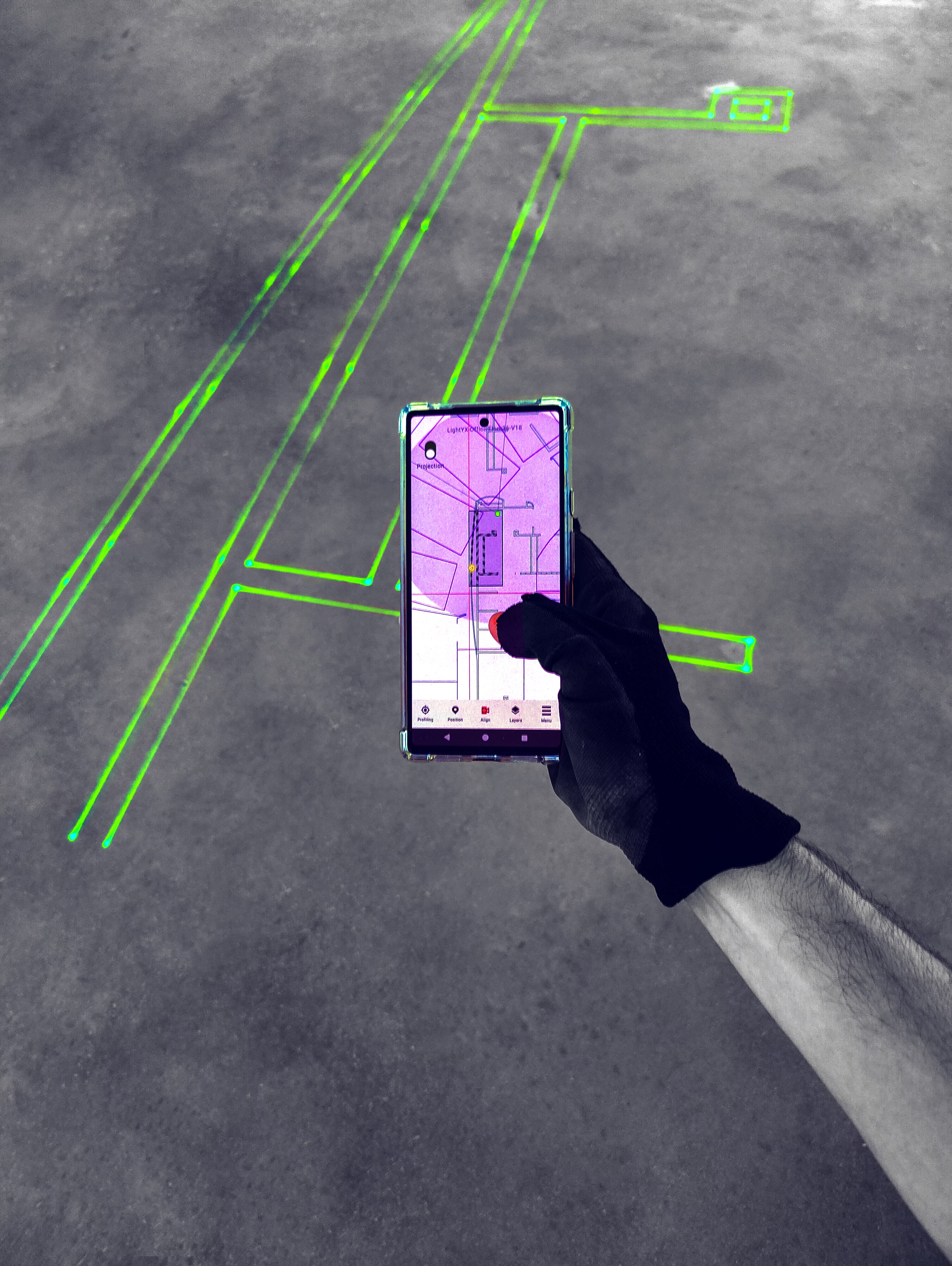
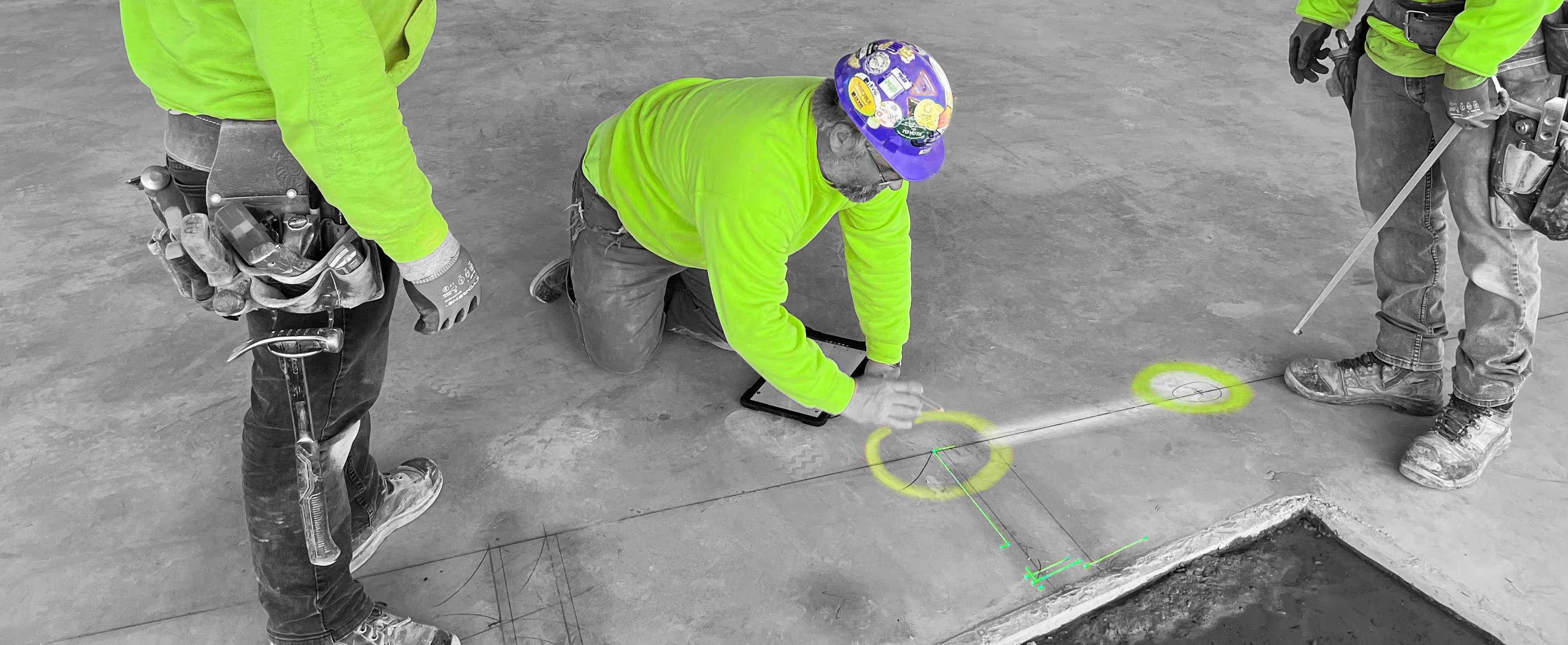
With LightYX Beamer One, MEP contractors can complete layout tasks in days instead of weeks, reducing time, rework and costs. Laser-projected layout derived from coordinated digital drawings ensures accuracy and alignment of installation instructions across trades, making project initiation swift. Clear points and linework eliminate confusion, ensuring accurate installations from the start. This tool is versatile, allowing layout on floors, ceilings, and walls.
MULTI TRADE LAYOUT
- Layout up to 2000 linear feet of line or 2000 points per day on floor or ceiling.
- Laser project digital drawings with1/16” tolerance for precise placement
- Reduce conflicts and rework by up to 80%
- Lower required skill level for construction
- Identify conflicts before installation
- Provide Comprehensive installation details
- Implement layout changes/fixes and document as-built conditions
MEP LAYOUT MADE EASY
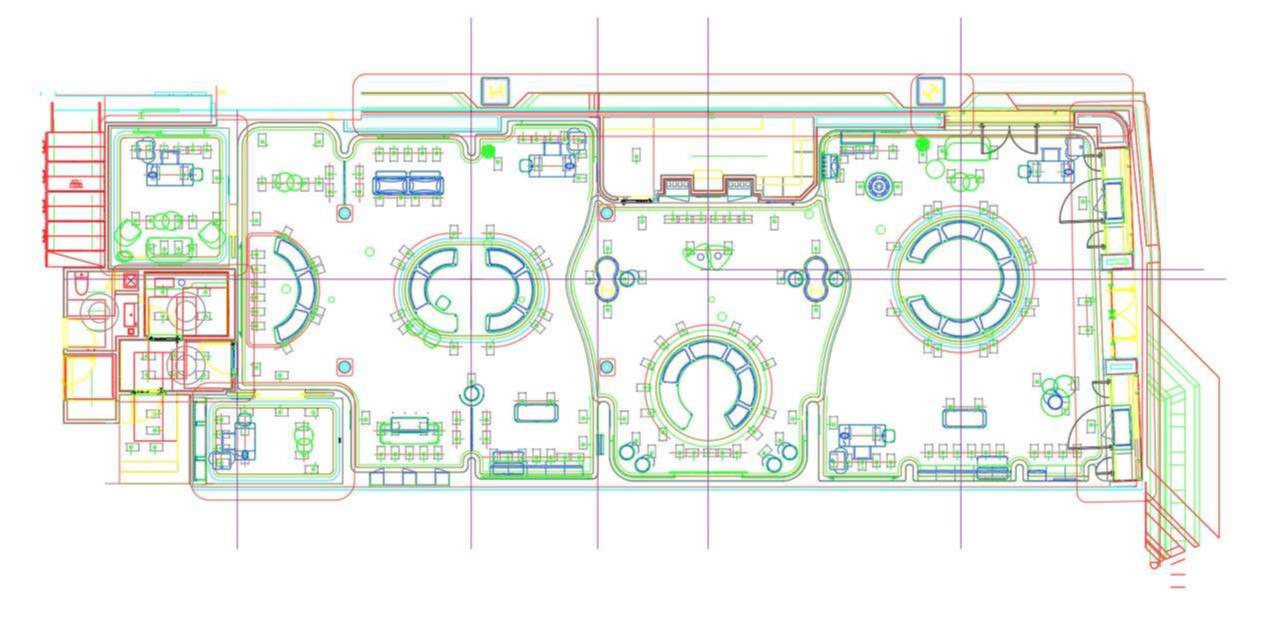
Utilizing the LightYX laser projection layout tool enhances your workflow by building upon detailed shop drawings. Unlike traditional methods, this innovative tool streamlines mechanical layout processes, offering unparalleled precision and efficiency. By leveraging a coordinated digital model, the LightYX system guarantees accuracy in the layout and alignment of installation instructions across all trades. MEP contractors can significantly reduce time and physical strain compared to traditional total station methods, completing layouts in a fraction of the time. With clear projection points and precise linework, confusion is minimized, ensuring error-free installations from the outset.
How It Works
- Import coordinated CAD or BIM concrete drawings
- Align LightYX to jobsite control
- Project column grids, walls, embeds, and penetrations on slabs and decks
- Verify layout before forming and pouring
- Reduce layout time, coordination errors, and downstream fixes
Simple, visual, and built for real concrete workflows.

MAXIMIZE LAYOUT TEAM PRODUCTIVITY
Manual layout can consume about 10-20% of the MEP schedule and approximately 5-10% of the total cost. Errors and rework in manual layout can account for 5-10% of overall project costs (according to HP research).
With LightYX, you can
- Boost layout team productivity to over 2000 points per day.
- Start installation sooner and eliminate the need for rework.
MEP Contractor? Speed Up Layout
CONTACT US


%201.png)



FAQ
How does LightYX speed up MEP layout for hanger points, ductwork, and piping?

LightYX projects coordinated MEP points and linework directly onto floors, ceilings, and walls, including hanger locations, duct routes, pipe routes, sleeves, penetrations, and equipment locations. This helps MEP crews reduce measuring time and start installation sooner.
Why is BIM-to-field layout important for MEP contractors?
MEP systems are dense, coordinated, and highly sensitive to field mistakes. BIM-to-field layout helps contractors transfer coordinated shop drawings directly to the jobsite, reducing clashes, incorrect hanger locations, and installation conflicts.
How does LightYX reduce MEP rework and trade conflicts?
LightYX reduces MEP rework by projecting the coordinated digital layout before installation begins. Crews can see where systems, supports, sleeves, and equipment should go, helping identify conflicts earlier and reducing costly field adjustments.
What MEP layout information can LightYX project?
LightYX can project hanger points, ductwork runs, pipe routes, sleeve locations, slab and wall penetrations, conduit paths, cable trays, equipment pads, layout labels, and coordinated installation references.
How does LightYX help MEP crews lay out ceilings and corrugated deck conditions?
LightYX can project overhead layout directly onto ceilings and deck surfaces, including corrugated deck conditions. This helps crews place hanger points, supports, and MEP routes faster in real jobsite environments.

